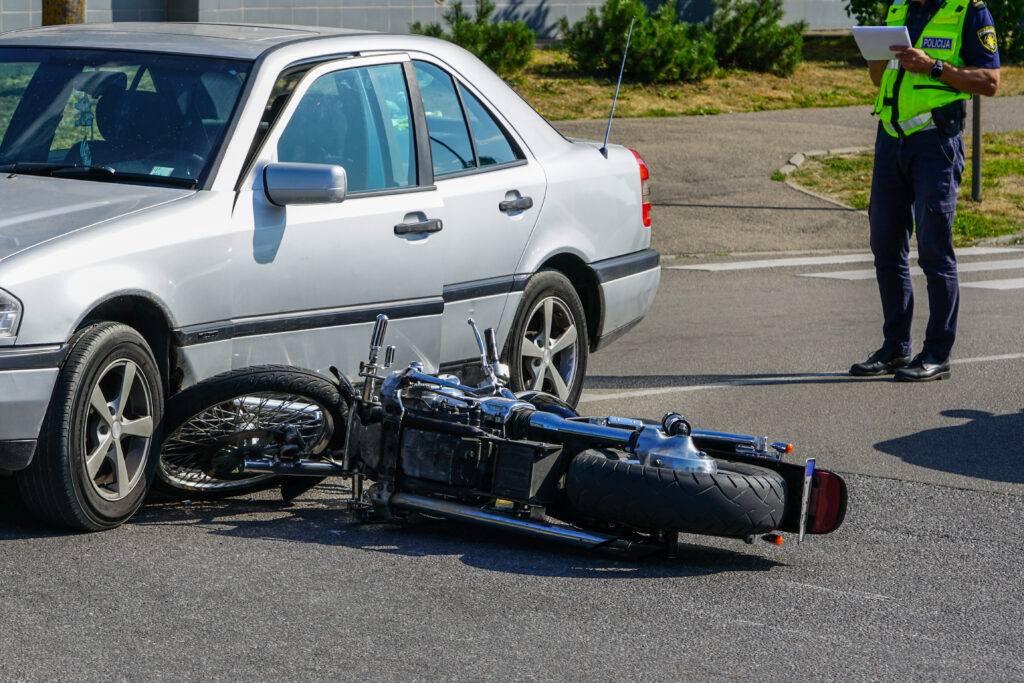
Motorcycling can be an exhilarating mode of transportation, offering a sense of freedom and adventure unlike any other. However, with this freedom comes inherent risks, as motorcyclists are more vulnerable on the road compared to occupants of enclosed vehicles. Understanding where most motorcycle accidents occur is crucial for improving safety measures and reducing the incidence of these often-devastating incidents.
Common Locations for Motorcycle Accidents
1. Intersections
Intersections are notorious hotspots for accidents involving motorcycles. The convergence of multiple lanes of traffic, pedestrians, and varying traffic signals creates a complex environment where collisions can easily occur. Factors such as drivers failing to yield the right of way, misjudging distances, and running red lights significantly contribute to intersection accidents. According to the National Highway Traffic Safety Administration (NHTSA), approximately one-third of motorcycle accidents happen at intersections.
2. Rural Roads
While the picturesque scenery and open roads of rural areas may seem ideal for motorcycling, they present unique challenges and risks. Rural roads often lack proper maintenance, leading to potholes, uneven surfaces, and gravel patches that can cause motorcyclists to lose control. Additionally, the higher speeds commonly observed on rural roads increase the severity of accidents.
The Insurance Institute for Highway Safety (IIHS), reported that 32% of fatal motorcycle accidents occurred on rural roads and the remaining 67% occurred in urban areas.
3. Highways and Freeways
Highways and freeways are designed for high-speed travel, making them particularly dangerous for motorcyclists. The fast-paced nature of these roads can lead to severe injuries or fatalities in the event of a crash. Lane-splitting, the practice of riding between lanes of slow-moving or stopped traffic, is another significant risk factor for motorcycle accidents on freeways.
4. Urban Areas
Urban environments present their own set of challenges for motorcyclists. Traffic congestion, frequent stops and starts, and a higher density of vehicles increase the likelihood of accidents in urban areas. Lane changes, sudden stops, and distracted driving are common contributors to motorcycle accidents in city settings.
Contributing Factors to Motorcycle Accidents in Specific Locations
1. Environmental Factors
Weather conditions and road surface conditions play significant roles in motorcycle accidents. Rain, snow, and ice can reduce traction and visibility, making it difficult for motorcyclists to maneuver safely. Furthermore, poorly maintained roads with potholes, cracks, and debris pose hazards to motorcyclists, increasing the risk of accidents and injuries.
2. Driver Behavior
Distracted driving and aggressive driving are major contributing factors to motorcycle accidents. A motorcycle accident attorney in Albuquerque relayed that drivers who are texting, talking on the phone, or engaging in other distracting activities are less likely to see motorcyclists and react in time to avoid a collision. Additionally, aggressive driving behaviors such as speeding, tailgating, and weaving in and out of traffic increase the likelihood of accidents involving motorcycles.
3. Motorcycle-Specific Factors
Visibility issues and handling characteristics also contribute to motorcycle accidents. Motorcycles are smaller and less visible than other vehicles on the road, making it easier for drivers to overlook them, especially in congested or low-visibility conditions. Furthermore, motorcycles require a higher degree of skill and coordination to operate compared to four-wheeled vehicles, increasing the risk of accidents, particularly for inexperienced riders.
Strategies for Mitigating Motorcycle Accidents in Various Locations
While the following strategies can significantly enhance motorcycle safety, they often require implementation by government or authoritative bodies rather than individual actions. These measures are typically beyond the scope of what everyday individuals can achieve on their own and instead necessitate coordinated efforts and investment from various levels of government and relevant organizations.
1. Intersection Safety Measures
Improving signage, installing traffic lights with dedicated motorcycle sensors, and implementing roundabouts can help reduce the incidence of intersection accidents involving motorcycles. Roundabouts, in particular, have been shown to significantly reduce the severity of crashes by eliminating the potential for high-speed collisions.
2. Rural Road Safety Initiatives
Investing in road maintenance and repair efforts can improve the safety of rural roads for motorcyclists. Additionally, raising awareness among rural drivers about the presence of motorcycles on these roads can help reduce the likelihood of accidents.
3. Highway and Freeway Safety Practices
Enforcing speed limits and educating drivers about the dangers of lane-splitting can help reduce motorcycle accidents on highways and freeways. Motorcyclists should also exercise caution and practice defensive riding techniques when navigating these high-speed environments.
4. Urban Area Safety Solutions
Implementing infrastructure improvements such as dedicated motorcycle lanes and advanced traffic management systems can enhance safety for motorcyclists in urban areas. Public awareness campaigns aimed at both drivers and riders can also help reduce the incidence of accidents by promoting safer driving and riding behaviors.
In conclusion, understanding where most motorcycle accidents occur is essential for developing effective safety measures and reducing the risks associated with motorcycling. By addressing common accident locations and implementing strategies to mitigate risk factors, we can work towards creating safer roadways for motorcyclists and reducing the incidence of devastating accidents.