Family legacies are more than sentimental treasures; they represent the history, traditions, and memories passed down through generations. Items like old photographs, videos, letters, and heirlooms carry immense emotional significance and are a reflection of where we come from. However, extreme weather events—such as floods, hurricanes, and wildfires—can threaten these irreplaceable artifacts. For residents in cities like Austin, where weather can range from heavy storms to extreme heat, safeguarding your family legacy requires careful planning and preservation strategies.
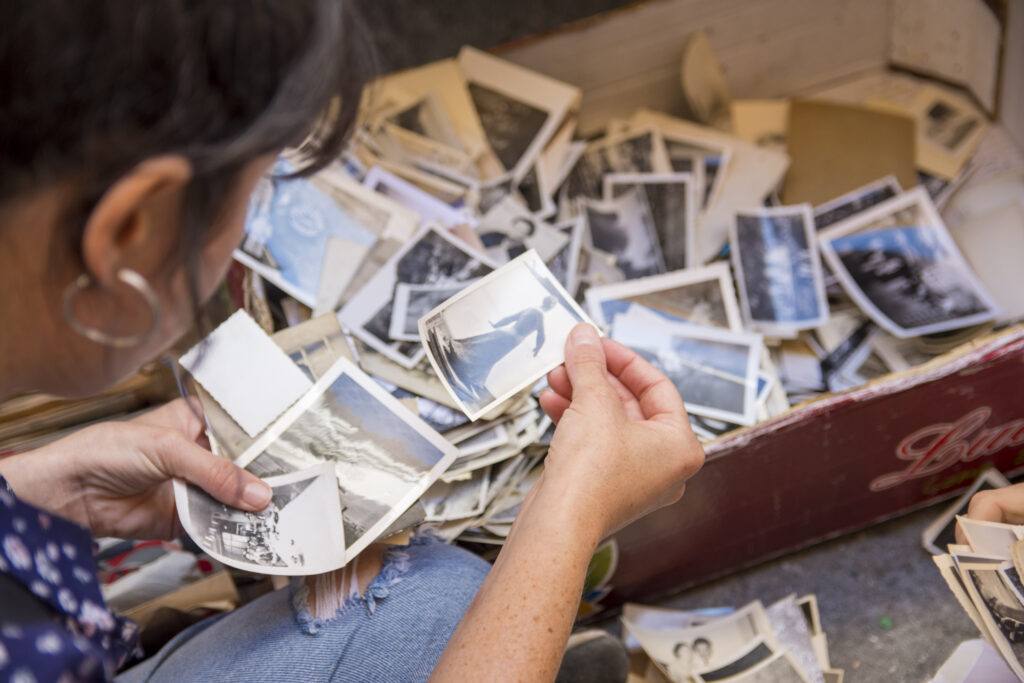
In this article, we’ll explore practical steps to protect your family history from nature’s destructive forces.
Risks to Family Legacies
Extreme weather events can devastate personal property in an instant. Flooding, high winds, and fire can destroy heirlooms, photographs, and even digital media stored on outdated tapes or disks. Even if direct damage is avoided, Austin’s fluctuating temperatures and humidity levels can degrade photos, documents, and video recordings over time. Without proper preservation, irreplaceable pieces of family history may be lost forever.
The risk is real, but with proactive measures, you can ensure your family legacy survives, no matter the conditions.
Practical Steps for Preservation
To effectively protect your family legacy, start by digitizing your precious memories. Converting old photos, home videos, and documents into digital formats secures them against weather damage and makes them easier to share and enjoy across generations. If you’re looking for the best way to preserve your photos, there are several top photo scanning services in Austin available to help you capture your images in high resolution and store them safely in formats like JPEG or TIFF.
Likewise, home videos on VHS or other analog formats should be digitized and backed up onto external hard drives or cloud storage for long-term preservation.
Technology for Protection
Leveraging technology plays a significant role in the preservation of family legacies. Aside from digital storage solutions, advancements in cloud storage services allow you to securely back up digital copies of your family history. Cloud-based services, such as Google Drive or Dropbox, provide ample storage space and enable you to access your files from any device, at any time. This can be especially helpful if your physical location is compromised by extreme weather.
For more sensitive materials, consider using a digital asset management system that allows you to organize, tag, and access your digitized family history easily. These systems often come with added layers of security, such as encryption, which can help protect your memories from theft or loss.
Additionally, some services provide automatic backup features, ensuring that your memories are continuously updated and safely stored without requiring manual input. While cloud storage is a valuable option, it’s wise to keep multiple backups of your digital files in different locations to safeguard them from potential data loss caused by hacking or server failures.
Creating an Emergency Plan
While digital solutions are crucial for preserving family legacies, it’s also important to develop a physical emergency plan for when disasters strike. Start by identifying the items that are most important to your family history and that would be difficult or impossible to replace. Create a list of these items and decide on a quick and efficient way to evacuate them in case of an emergency. For instance, keeping a portable emergency kit with hard drives, external storage devices, or even a USB drive containing important digital copies of your memories could prove invaluable in the face of sudden disasters.
It’s also essential to inform all family members about your preservation efforts and emergency procedures. Make sure they know how to access digital archives or where to find physical items stored for protection. Keeping your family on the same page can significantly reduce stress during an emergency situation.
Conclusion
Family legacies are priceless and protecting them from the dangers of extreme weather requires thoughtful planning and proactive measures. By digitizing old photos, home videos, and documents, you can preserve your family history for generations to come. Storing physical items in secure, weather-resistant containers and using technology to back up your digital files will further protect these treasures. Additionally, creating an emergency plan for your family legacy ensures that you can quickly act in case disaster strikes. If you’ve ever thought about how to preserve family history, these strategies will help you protect what matters most. With these precautions in place, you can safeguard your family history, allowing future generations to cherish the memories that define your family’s story.