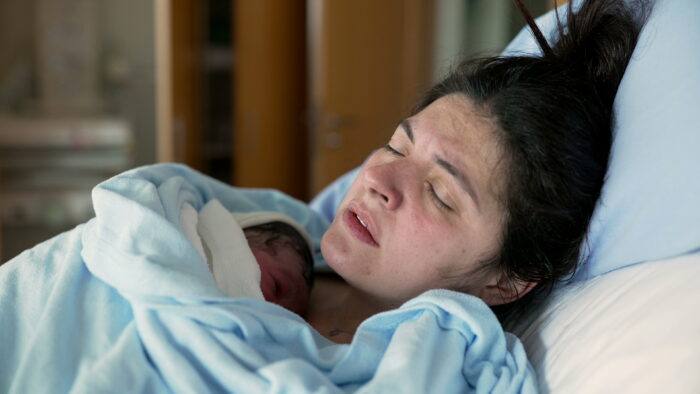
The arrival of a new baby should be one of life’s most joyful moments, but when complications during labor and delivery result in a birth injury, parents can find themselves navigating an unexpected emotional landscape filled with grief, guilt, and uncertainty. Birth injuries affect approximately 7 out of every 1,000 babies born in the United States, transforming what should be a celebration into a period of profound psychological distress that can persist for years.
The Initial Shock and Trauma
When parents first learn their child has suffered a birth injury, the emotional impact can be devastating. Many experience symptoms consistent with post-traumatic stress disorder, including intrusive thoughts about the delivery, nightmares, and severe anxiety. Research indicates that up to 45% of mothers who experience traumatic births develop some form of PTSD, a rate significantly higher than the general postpartum population. The sudden shift from anticipating a healthy baby to confronting medical diagnoses, potential disabilities, and uncertain prognoses creates a psychological whiplash that leaves many parents feeling completely unprepared.
The trauma extends beyond the mother. Partners and family members often report feelings of helplessness as they witness their loved ones suffering both physically and emotionally. This collective trauma can strain relationships at precisely the moment when families need unity and support most desperately.
Guilt and Self-Blame
Perhaps no emotion is more pervasive among parents of children with birth injuries than guilt. Mothers especially tend to scrutinize every decision made during pregnancy and labor, questioning whether different choices might have prevented the injury. This self-blame persists even when medical evidence clearly indicates the injury resulted from provider negligence or unavoidable complications beyond anyone’s control.
According to a Philadelphia birth injury lawyer at Lowenthal Abrams, “many families struggle with the decision to pursue legal action because they worry it might appear they’re prioritizing money over their child’s wellbeing, when in reality, compensation can be essential for accessing the therapies and medical interventions their child desperately needs. This internal conflict adds another layer of emotional complexity to an already overwhelming situation.”
The reality is that most birth injuries occur due to factors completely outside parental control, including oxygen deprivation during delivery, improper use of delivery instruments, failure to perform timely cesarean sections, or inadequate fetal monitoring. Understanding this intellectually, however, doesn’t always alleviate the emotional burden of guilt that parents carry.
Grieving the Expected Future
Parents of children with birth injuries often experience what psychologists call “ambiguous loss” or “chronic sorrow.” They grieve not for a child who has died, but for the healthy child they expected and the future they had envisioned. This type of grief doesn’t follow the traditional stages and may resurface repeatedly as the child reaches developmental milestones that highlight their differences from typically developing peers.
This ongoing grief can be particularly isolating because it’s not always recognized or validated by others. Well-meaning friends and family members may encourage parents to “be grateful” their child survived or to “stay positive,” inadvertently minimizing the very real losses these families experience daily.
The Strain on Mental Health and Relationships
The stress of caring for a child with special needs resulting from a birth injury takes a measurable toll on parental mental health. Studies show that parents of children with disabilities experience depression at rates nearly four times higher than the general population. The constant medical appointments, therapies, and advocacy required can lead to chronic stress and burnout.
Marriages also face significant strain, with divorce rates among parents of children with disabilities estimated at approximately 87%, though recent research suggests this figure may be inflated. What’s undeniable is that the additional stress, financial pressure, and emotional exhaustion create conditions that challenge even the strongest relationships.
Finding a Path Forward
While the emotional distress of a birth injury is profound, many families eventually find ways to adapt and even thrive. Seeking professional mental health support should be considered essential, not optional. Therapists specializing in trauma and grief can provide crucial tools for processing complex emotions and developing coping strategies.
Connecting with other families who have experienced similar situations provides invaluable peer support. Support groups, both in-person and online, create spaces where parents can express difficult emotions without judgment and learn from others further along in their journey.
Pursuing legal action, when appropriate, can also serve a therapeutic purpose beyond financial compensation. Many families report that holding negligent providers accountable helps restore a sense of control and validates their experience. The financial resources obtained through legal settlements or verdicts can dramatically improve a child’s access to specialized care, therapies, and adaptive equipment.
The emotional journey following a birth injury is undeniably difficult, but parents should know they don’t have to navigate it alone. With appropriate support, advocacy, and time, many families build meaningful, joyful lives while continuing to advocate for their children’s needs and their own emotional wellbeing.