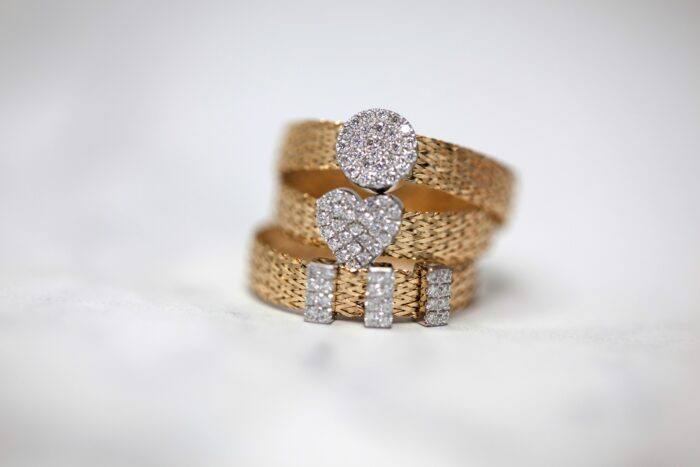
It’s a trending topic that’s gaining momentum, but what exactly is lab-grown diamond jewelry? The simple description is that this type of jewelry uses diamonds that haven’t been mined from beneath the earth’s surface. Instead, a series of impressive chemical reactions has taken place in a special lab that has created the diamonds by using diamond seeds and carbon. It’s all very technical, but the result is a shiny diamond that looks remarkably similar to natural ones.
People like this option, whether it’s for a lab grown diamond necklace, earrings, a bracelet, or even an engagement ring, because it’s more sustainable and ethical. It’s something you’re probably very interested in, but are there any key things you should know before going down the lab-grown route?
Lab-Grown Diamonds Are More Affordable
With natural diamonds, you’re paying top dollar because you’ve got to deal with things like rarity and the total cost of mining for these precious stones. Lab-grown diamonds aren’t just an ethical jewelry choice; they’re also more affordable. This is because it’s less costly and fewer resources are used to create diamonds in a lab, so you can buy much bigger and higher quality stones for up to 70% less than the market value of the equivalent natural options.
The Average Person Can’t Tell the Difference
Your biggest “worry” when buying lab-grown diamond jewelry is that everyone will be able to identify that you’ve not got a natural diamond. That’s never going to happen. For starters, lab-grown diamonds are chemically identical to their natural counterparts, and you’ll still find ones that have phenomenal clarity and cut. The naked eye will never be able to tell the difference between two diamonds, so this isn’t something you should ever worry about.
Oh, and by the way, lab-grown diamonds are still considered 100% real diamonds. They’re not fake; they’re just made in a lab instead of letting the earth create them naturally.
You Lose Some of the Resale Value
One of the only genuine concerns with lab-grown diamonds is that they never sell for as much as a natural diamond. It comes down to the diamond’s rarity – if you have a mined diamond, it’s likely to be completely unique. This means it holds its value and can sometimes be sold for a profit many years later. As such, people like them as family heirlooms that you can pass down through generations, and someone can eventually sell them if they need to.
Because you can, theoretically, create the same diamond many times in a lab, these diamonds lose their resale value. There’s absolutely nothing wrong with that if you want to buy a piece of jewelry that you keep forever, but if you view jewelry as an investment, then it might not be the right thing for you.
Bottom line: lab-grown diamonds look just as nice as natural diamonds, and they are still real diamonds. All that’s changed is that your diamonds have been made in a lab that mimics the conditions under which diamonds form naturally. It’s better for the planet, there are no ethical considerations, and you’ll be able to afford nicer jewelry for less.