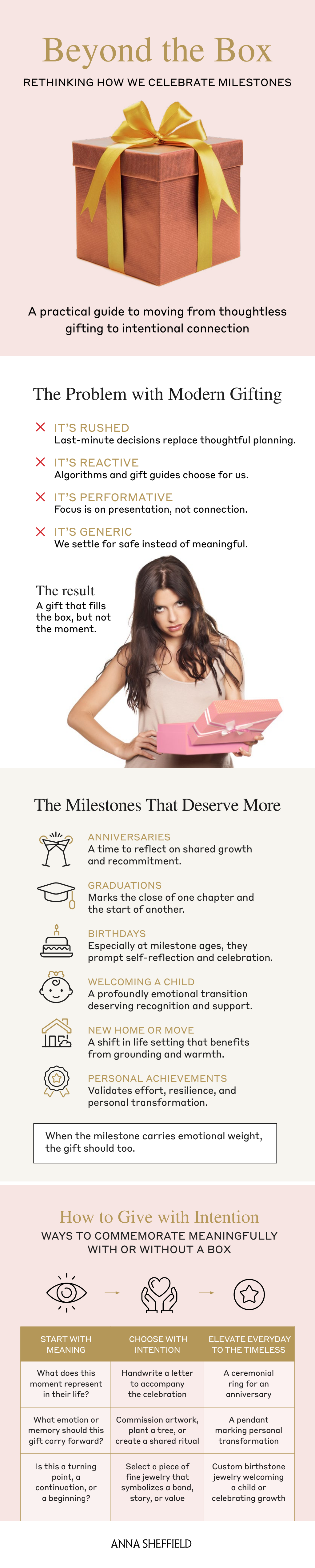
Milestones shape the rhythm of family life, marking everything from birthdays and anniversaries to personal achievements that deserve recognition. Yet celebrations often fall into predictable routines centered on parties, gifts, and decorations. While these traditions hold value, many families are finding that expanding how we honor milestones can create memories that feel more personal, meaningful, and lasting.
Shifting the Focus to Experiences
Rather than relying solely on store-bought items, families are increasingly choosing experiences as a way to celebrate. A child’s accomplishment at school can be recognized with a family outing to their favorite park or museum. An anniversary might be honored with a weekend trip that emphasizes time together instead of physical gifts. Experiences allow celebrations to extend beyond a single day, and they can be adapted to fit family budgets and schedules while still delivering a sense of connection and joy.
Creating Traditions That Reflect Values
Personal traditions often carry more meaning than expensive events. Some families light a candle each year to honor a child’s birthday, allowing siblings to share stories about favorite memories. Others may plant a tree to symbolize growth during significant life changes. These types of traditions teach children that milestones are not just about receiving something but also about reflecting on growth, gratitude, and shared history.
Blending Old Symbols with New Meaning
Objects still play a role in milestone celebrations, but they do not have to follow conventional paths. Jewelry, for example, can move beyond ornamentation to become a symbol of family bonds. A nesting wedding band, for instance, can represent the layers of commitment and family growth, while a quilt made from old clothes might carry generational significance. Choosing symbols with personal meaning ensures the milestone is remembered for years to come.
Involving Children in the Process
Including children in the planning of milestone celebrations can make the occasion more meaningful for them. Allowing a child to choose the meal for a birthday dinner or contribute ideas for how to mark a sibling’s achievement gives them a sense of ownership. This involvement helps children learn that celebrating others is as important as celebrating themselves, fostering empathy and family unity.
Looking Beyond Big Events
Small accomplishments deserve recognition just as much as major milestones. A child learning to ride a bike, a parent finishing a challenging project, or even a family’s first week of a new routine can all be opportunities for celebration. Marking these smaller victories helps families stay connected and encourages everyone to notice progress in everyday life, rather than waiting for grand occasions.
The most enduring celebrations are those that feel intentional and connected to who a family is, rather than what outside expectations dictate. Whether through shared experiences, simple traditions, or symbolic tokens, milestones become opportunities to deepen bonds and reflect on what matters most. By rethinking how milestones are celebrated, families can create rituals that feel authentic, enriching, and memorable. For more tips and tricks on finding new ways to celebrate milestones, look over the accompanying resource below.