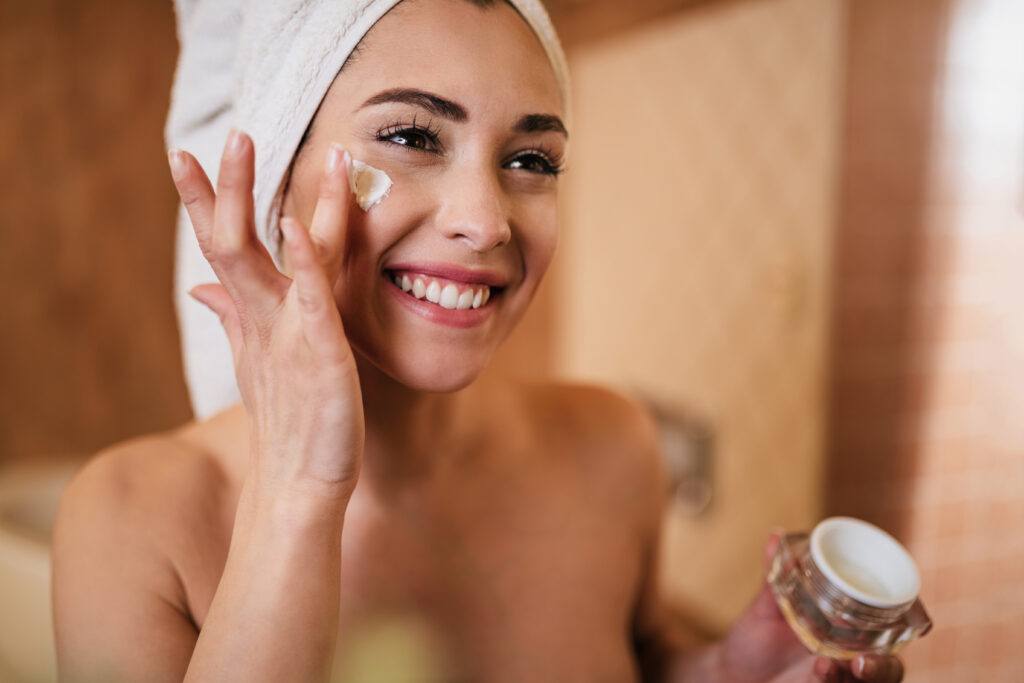
Is your skincare routine turning into alphabet soup?
If you’ve ever been overwhelmed by the buzz around BB, CC, and now DD creams, you’re not alone. These “alphabet creams” first gained popularity in Korea and have since made their way into beauty aisles across America. But what do those letters actually mean—and how do you know which one is right for your skin?
Board-certified NYC dermatologist Dr. Kally Papantoniou breaks it all down so you can decode your skincare routine with confidence.
How BB Creams Began
BB stands for beauty balm or blemish balm. Originally developed in Germany by a dermatologist looking for a product that would protect and cover laser-treated skin, BB creams became a massive hit across South Korea and Asia.
According to Dr. Papantoniou, “The average woman in Asia goes through seven different steps taking care of her skin,” making BB creams a welcome, time-saving innovation.
The BB Boom in America
BB creams first landed on U.S. shelves in 2011—and they’ve only grown more popular. Today, almost every beauty brand offers a BB cream, ranging from drugstore finds under $10 to luxury formulas that top $100.
Even though only about 2% of beauty shoppers have purchased a BB cream, nearly 80% of those who have say they’d buy it again (according to The NPD Group).
What BB Creams Actually Do
BB creams combine multiple skincare steps in one:
-
Sun protection (often SPF 30 or higher with water-resistant physical blockers like zinc oxide or titanium dioxide)
-
Anti-aging ingredients (like peptides and vitamins A, C, and E)
-
Moisturizers (such as hyaluronic acid and glycerin)
-
Skin brighteners (like licorice and arbutin)
-
Light-reflecting agents for a luminous finish
-
Smoothing ingredients like dimethicone (works like a primer)
Heads-up: While mineral-based BB creams are great for breakout-prone skin, some BB creams can be packed with chemicals, so be sure to check those labels carefully.
What Is a CC Cream?
CC stands for complexion corrector or color correcting cream. It’s lighter than BB cream but focuses specifically on evening out skin tone.
What it does:
-
Corrects redness, sallowness, and dark spots
-
Contains brightening ingredients
-
Offers SPF protection (varies by brand)
How to use it:
If you struggle with acne, dull skin, dark spots, or persistent redness, CC cream might be your new best friend.
What About DD Creams?
DD stands for dynamic do-all cream. It’s the next evolution of BB and CC creams, combining the benefits of both with a strong focus on anti-aging.
What it does:
-
Reduces the appearance of fine lines and wrinkles
-
Balances skin tone
-
Protects sensitive areas with nurturing ingredients
How to use it:
Incorporate DD cream into your daily routine and use it consistently. With continued use, you’ll start seeing—and feeling—the difference.
So… Which Cream Should You Choose?
While the lines between BB, CC, and DD creams have definitely blurred, here’s a quick guide:
-
Concerned about discoloration? Start with a CC cream for brightening.
-
Focused on fine lines and wrinkles? Go for a DD cream packed with anti-aging ingredients like retinol and peptides.
-
Want a multi-tasker with sunscreen and hydration? A classic BB cream could be your perfect match.
If your skin is oily, seek out lightweight or oil-control alphabet creams. And if you’re wondering—yes, there’s even a “GG” cream now. (We’ll save that for another day.)
Quick Summary: BB, CC, and DD Creams Decoded
-
BB Cream: Best for basic coverage, hydration, and sun protection.
-
CC Cream: Ideal for correcting redness, dullness, and uneven skin tone.
-
DD Cream: Perfect for targeting signs of aging and improving skin barrier health.
There’s an alphabet cream out there for everyone—just choose based on your top skin concerns. Happy glowing!
About Dr. Kally Papantoniou
Learn more at: www.drpapantoniou.com
Dr. Papantoniou is a Cosmetic Dermatologist, Board Certified by the American Board of Dermatology. She specializes in injectables, lasers, surgical and general dermatology for adults and children, and serves as a Clinical Instructor at Mount Sinai Hospital’s Dermatology Department. Dr. Papantoniou emphasizes natural, healthy alternatives in treatments and brings her artistic eye for symmetry to her cosmetic patients.