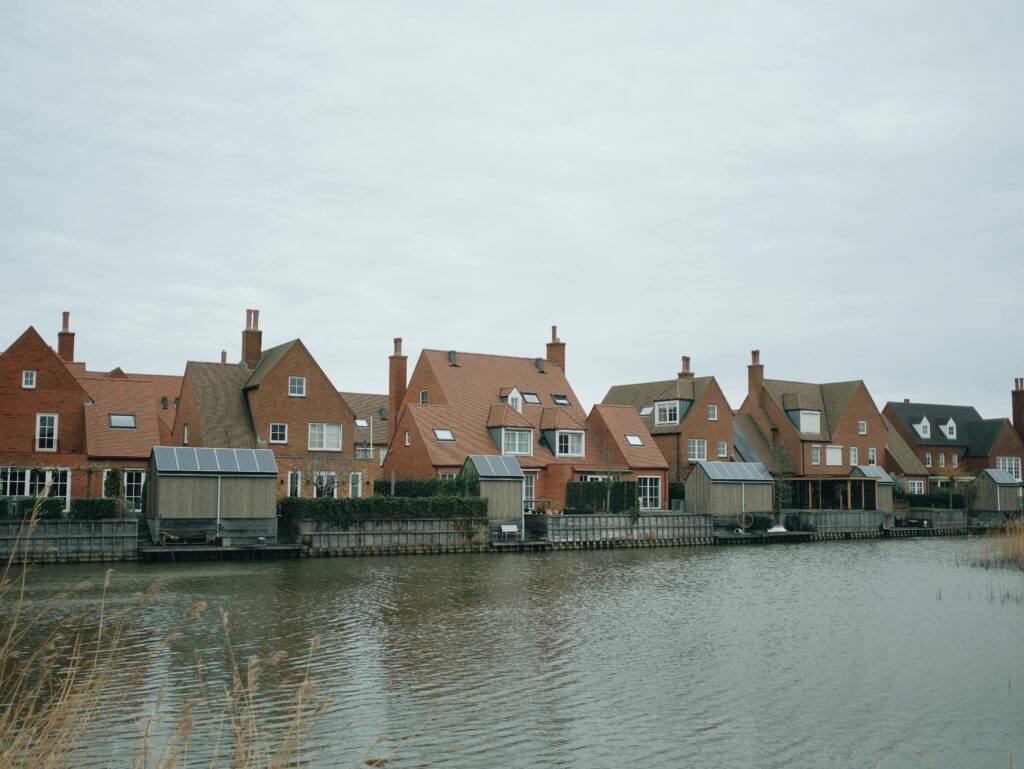
Most people with common sense understand how to manage a flood in their home, be that a local river flooding, a burst pipe, a roof leak or a bathtub running on too long. We drain the water or protect against it, turn off electrics or the water mains, and then seek to recuperate from the damage. In terms of a large flood, sometimes this can mean full on foundational repair once more.
However, what about the additional elements of restoring your home back to normal? When the water is gone, what do you do? After all, a room exposed to long-lasting water damage may not be as safe to occupy as it once was, and even if the water failed to cause as much damage as it could, there’s still a hygiene problem to consider that could affect your children or pets most of all.
In this post, we’ll discuss what to do if you’ve suffered a burst pipe or roof leak, and how to maneuver around such an issue.
Carpet Cleaning
Water has a knack for getting into every nook and cranny, and that means your carpet too. You could start by giving your carpet a good once-over with a wet vacuum to suck up as much moisture as possible. After that, it might be worth considering a deep clean with a professional-grade carpet cleaner. However, we’d recommend carpet cleanup services to make sure every inch is properly restored.
Water Drainage
Even after visible water has been removed, moisture can linger and that might cause damage or even damp. Checking walls for signs of dampness or bulging is a good place to start. You’ll find value in a dehumidifier for bringing out that residual moisture from the air and surrounding materials – it might not fix all the dampest areas, but it can certainly help dry out a room. Just make sure to empty the tub.
Deep Cleaning
No matter how dry the house is now, you still need to clean it correctly. Water, especially stagnant water, is quite unhygienic. For that reason, giving your home a proper deep clean is important. A mix of warm water and disinfectant usually does the trick for most surfaces and helps to get rid of any bacteria. It’s easy to forget about places like the backs of cupboards or underneath big appliances, but these areas need attention too. Unfortunately, you’ll need to check any and all furniture that’s been exposed. Some you may have to throw out.
Flooring Replacement
Sometimes you might be able to save your flooring, and other times you might need to replace the flooring entirely. With hardwood floors, careful drying and refinishing can sometimes do the trick, although laminate flooring tends to be a bit more sensitive to water, so it often needs to be replaced. It’s a good investment to help the room retain its habitability, so don’t let this be the sticking point after express water damage.
With this advice, you’ll be certain to move on for the better, even after suffering a burst pipe or roof leak.