Every child develops at their own pace, and that’s perfectly normal. Although there are charts that show the rate at which children typically reach certain developmental milestones, these are guidelines rather than a timetable every child is expected to follow.
Instead of comparing your child’s progress with other children their age, pay attention to how their own skills are developing over time. There are also plenty of simple, fun activities you can do together to help strengthen their hands and encourage fine motor skills.
Understanding Fine Motor Skills
Fine motor skills involve the small, controlled movements of the hands, wrists, fingers, and thumbs. We rely on these skills for all kinds of everyday activities, from holding a pencil and using utensils to buttoning clothes, tying shoelaces, and eventually using a phone or computer.
Children naturally build hand strength and coordination as they grow, play, and explore their surroundings. Giving them opportunities to squeeze, grasp, pinch, twist, draw, and manipulate objects can provide even more practice while helping them become more confident and independent in everyday tasks.
1. Get Out the Playdough
Playdough is a fun and easy way to get those little hands working. Children can squeeze it, roll it into balls, flatten it, pinch it, make shapes, or create an entire imaginary world.
While your child may simply think they’re having fun, all that squeezing, rolling, and molding gives their fingers and hands a workout. Even better, it’s an activity you can enjoy together while encouraging creativity at the same time.
2. Play With Water
Most children love playing with water, so why not turn water play into a simple fine motor activity?Give your child a sponge and show them how it absorbs water before squeezing it out again. Repeatedly gripping and squeezing the sponge helps work the muscles in their hands and fingers while also practicing coordination.
You can add cups, bowls, droppers, or other child-safe containers and let them experiment with filling, pouring, squeezing, and transferring water. Just be prepared for a little mess—it’s part of the fun!
3. Painting
Painting gives children a chance to be creative while also practicing the small hand movements they’ll use for many other activities. Holding and controlling a paintbrush requires your child to use their fingers, hand, and wrist together. Dipping the brush into paint and moving it across the paper also helps develop hand-eye coordination and control.
There’s no need to worry about what the finished painting looks like. Scribbles, swirls, dots, and colorful masterpieces all provide valuable practice.
4. Writing
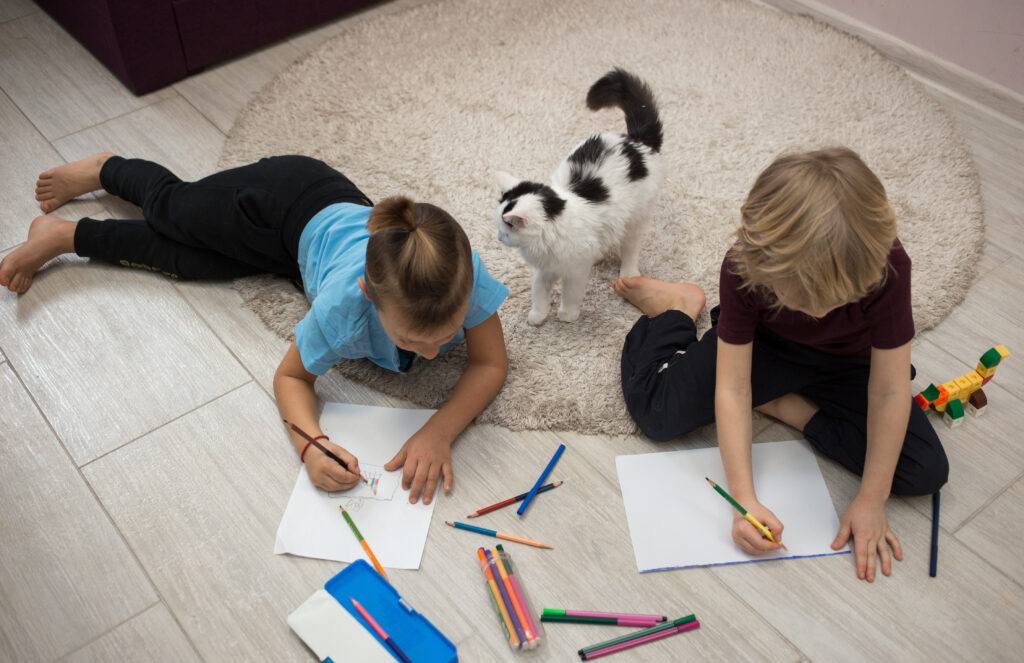
Very young children may not be ready to form actual letters or numbers yet, but scribbling and drawing are important early steps toward learning to write. Give your child paper and crayons, pencils, or washable markers and let them experiment. You can draw simple lines, circles, letters, or numbers for them to imitate if they’re interested.
It doesn’t matter if their version looks anything like yours. Holding the writing tool, making marks, and attempting to copy shapes all help build the hand control and coordination they’ll eventually need for writing.
5. Use Toys
Many everyday toys naturally encourage fine motor development. Shape sorters, building blocks, puzzles, stacking toys, lacing activities, and other toys that involve grasping and manipulating pieces can all give little hands plenty of practice.
Look for age-appropriate toys that encourage your child to pick up, place, stack, turn, push, or fit objects together. They’ll be strengthening their hands and practicing coordination without even realizing they’re learning.