The Wedding Decor That Actually Survives the Day
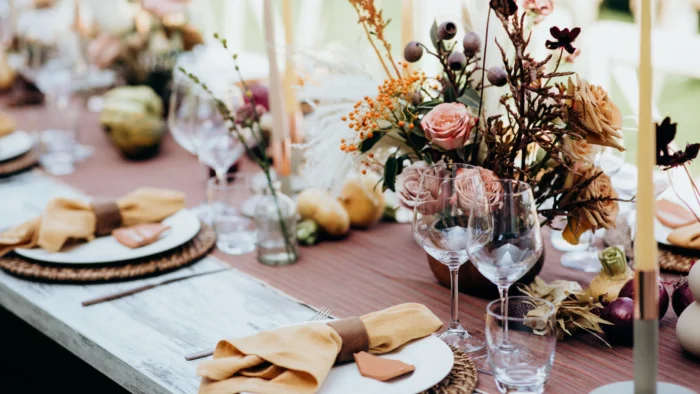
Most wedding decor is designed to be thrown away. Custom napkins, paper signs, balloon arches, vinyl backdrops, and printed table cards. The entire category is built around one day, then disposal.
A small but growing share of couples is pushing back. Not always on sustainability grounds, though sometimes. The more practical question is which pieces actually deserve the budget. Which ones survive the day and turn into household objects, and which ones are tomorrow’s bin liner?
Ceramic letters sit firmly in the first category. They photograph well during the ceremony, hold up to handling at the reception, and end up in the box of items the couple is taking home. This article covers where they fit in the day, how they compare to alternative materials, and what to think about when ordering.
The decor that gets binned, and the decor that goes home
Wedding decor falls into several categories, distinguished by what survives the day.
Most pieces are single use: paper signage, balloons, custom napkins, vinyl backdrops, printed materials, anything specific to one date or venue setup. Most of this is engineered for a single afternoon. By the next morning, the venue is back to neutral, and the decor is in bins.
A second group is reusable but rarely the couple’s to keep: rented linens, candle holders, florist’s containers, and lighting fixtures. These go back to vendors at the end of the night and start a new wedding the following weekend.
The third bracket, and the smallest, is the keepsake category. Photographs always make it home. The dress usually does too. Beyond those, the keepsakes that survive tend to be the small handful of decor pieces with the couple’s names or initials worked into them, plus the occasional cake topper or signed guestbook.
Pieces designed specifically to cross from venue to home are still a relatively new line of thinking in wedding planning. Ceramic letters end up in this category almost by accident of material. They’re heavy enough, finished enough, and personal enough to belong on a living room shelf a year later.
Where ceramic letters actually work during the day
Five places they tend to land well across the ceremony and reception:
Behind the ceremony backdrop or under the chuppah. The couple’s initials, a short meaningful word, a date, or a phrase that mattered in the relationship. Letters around 15 to 20 cm read clearly from a photo distance.
Replacing numbers on table assignments. “Table A, Table B” instead of “Table 1, Table 2.” Smaller pieces here, around 8 to 12 cm, sit cleanly on the table without crowding centerpieces.
Welcome signs and seating-chart anchors. A small set spelling out the couple’s surname or hashtag at the venue entrance. Larger letters, often 25 cm plus, because viewing distance is greater.
Sweetheart table monograms. The couple’s first initials at their head table. This is the most photographed piece of decor at most weddings.
Memorial or tribute pieces. A name was displayed near the ceremony’s reserved seating to honor someone who couldn’t attend. Small, quiet, but meaningful for families who use them.
Each of these survives the wedding photo and then the wedding day. The pieces that worked at the altar are often the same pieces that show up on the couple’s living room shelf six months later.
Ceramic versus the alternatives
Couples planning personalized decor have a handful of material options. They sort roughly by lifespan:
- Foam letters. Cheapest. Photograph as party-supply quality from close range. Dent under light handling and rarely survive a single transport between venues and a car.
- Wooden letters. Middle ground. Hand-finished pieces from a small workshop can look beautiful. Mass-produced MDF versions warp in humidity and chip along the edges within months.
- Paper or cardboard. Strictly single use. Looks fine in posed photos before the reception. Anything from a drink spill to a humid evening ruins them.
- Metal letters. Durable but cold in feel. Tend toward industrial or commercial signage aesthetics, harder to integrate into a couple’s later home decor.
- Ceramic letters. The heaviest of the options. The glazed surface photographs well across mixed venue lighting. They don’t warp, yellow, or chip with age. Per-letter cost is the highest on this list, but the lifespan is measured in decades.
Wedding industry resources such as The Knot track how spending on personalized decor has grown year over year, with couples shifting budget away from disposable signage and toward fewer, higher-quality pieces with longer use. Ceramic fits naturally inside that shift.
What to think about when ordering
A few practical notes for couples planning this kind of decor:
Lead times. Handmade ceramic pieces take two to six weeks from order to delivery, depending on the studio’s queue. Order at least eight to twelve weeks before the wedding. Same-day or rush options are usually not available for genuinely handmade work.
Color choice. Neutral colors photograph well across venue lighting conditions and integrate easily into a home later. Reliable choices include white, ivory, matte black, and soft greige tones. Bold colors tie the pieces tightly to a specific wedding theme but limit reuse afterward.
Sizing strategy. Larger pieces (20 cm plus) for ceremony or backdrop visibility. Smaller pieces (8 to 12 cm) for table-level decor where they sit alongside centerpieces and place cards.
Quantity. Most couples order one set of letters for the main ceremony or reception piece, plus optional smaller sets if using letters for table assignments.
Backup planning. Handmade work has natural variation between pieces. Order with this in mind and ask the studio about the option to swap or replace any piece that arrives damaged or doesn’t quite match.
Where do these pieces live after the day?
The investment makes sense once you factor in what happens after the wedding. A foam letter ends in a bin by Sunday morning. A ceramic one moves from venue to home and finds a permanent spot, usually one of:
- A single initial centered on a bedroom wall
- A two-letter monogram on the living room shelving
- The couple’s last name across an entryway
- The whole set was repurposed later in a child’s room when the family expands
Studios working in this space, such as Letters of Clay — handcrafted ceramic letters, build their pieces with this kind of timeline in mind. The weight and glaze choices, alongside the typographic styling, all assume the object is going to sit on a wall or shelf for decades, not just photograph well for one afternoon. Letters of Clay specifically works with couples on commission orders for weddings, with options to spell out names, dates, monograms, or meaningful words on request.
Most wedding decor is fine for single use. Paper, balloons, rented centerpieces, and vendor-provided linens serve their purpose for the day, and that’s the design intent. The small set of personalized pieces, the ones that carry names, dates, monograms, or meaningful words, deserves different thinking. Spend less on the disposable category, more on the few pieces designed to come home with you, and you’ll be looking at them ten years later.