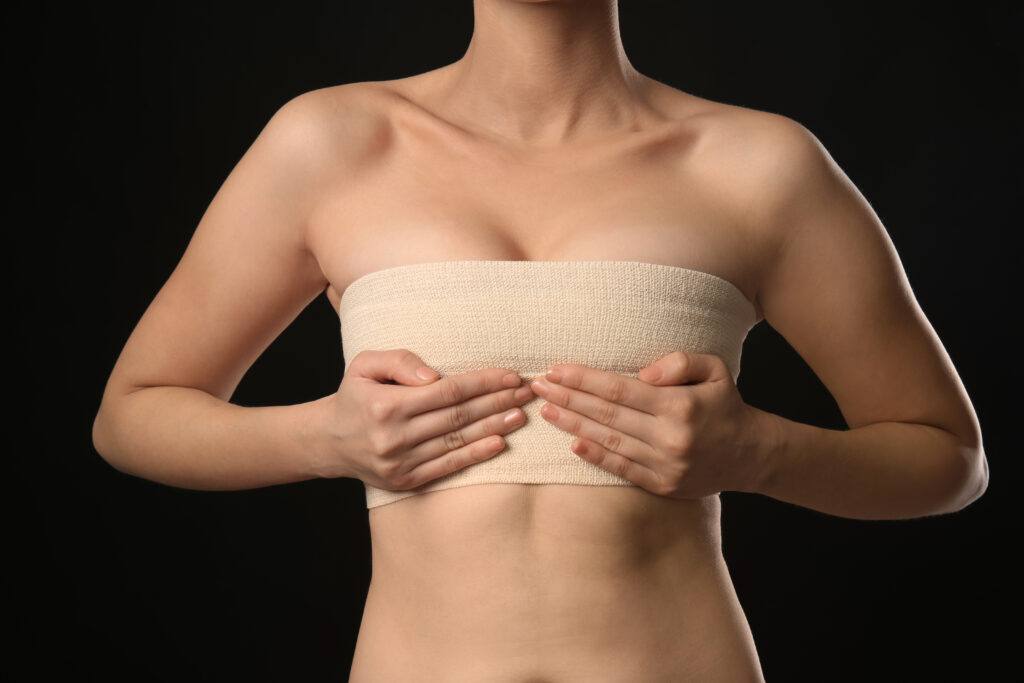
Breast lift surgery (mastopexy) is one of the most common breast surgeries performed today. The goal is to reshape and raise the breasts by removing excess skin, tightening tissue, and adjusting the nipple–areola position. Like any surgical procedure, it comes with a healing process that can feel unfamiliar.
Is It Really “Bad”? What’s Normal After a Breast Lift vs. What’s Not
Normal healing after breast lift surgery often includes temporary swelling, bruising, mild discomfort, and some changes in nipple sensitivity. Your breasts may look slightly higher or firmer than expected in the first weeks because of tight skin and tissue adjustment. These early effects usually improve over time as the breast tissue softens and blood flow stabilizes.
However, there are some red flags that may signal a rare complication rather than typical recovery. Knowing the difference between expected changes and true warning signs helps you feel confident—and helps you know when to call your plastic surgeon.
7 Warning Signs Your Breast Lift Might Not Be Healing Properly
1. Your Breasts Look Very Uneven or Misshapen
Mild asymmetry is common after breast surgeries, especially when swelling resolves at different rates. But if one breast suddenly looks very different from the other—or appears unusually flat, bulging, or misshapen—it may point to hematoma, seroma, or surgical failure that needs medical attention.
2. Wounds That Won’t Close or Seem to Reopen
Incisions should gradually close and form neat scars along natural breast creases. If wounds open, stay raw, or keep bleeding, it suggests poor healing or infection. This is especially important for patients with medical history such as diabetes, smoking, or poor circulation.
3. Skin That Is Turning Dark, Hard, or Dry (Possible Necrosis)
Healthy skin heals pink to light brown depending on your skin tone. If tissue becomes dark, hard, or leathery, it may be a sign of skin necrosis (tissue death from reduced blood flow). Though a rare complication, it requires urgent evaluation by a board-certified plastic surgeon.
4. You Are in More Pain Now Than Right After Surgery
Discomfort after a surgical procedure usually improves each day. If your pain worsens over time or returns after improving, it may signal infection, nerve damage, or fluid buildup.
5. Strange Discharge, Bad Smells, or Fever
Clear yellow drainage from healing incisions is normal. Thick, greenish pus or foul odors are not. Add fever or chills, and infection becomes very likely. Prompt antibiotics or surgical drainage may be required.
6. Loss of Nipple Sensation or Color Changes
Temporary nipple numbness after cosmetic surgery is common. However, nipples that stay numb long-term, turn pale, or change to dark blue/black may mean reduced blood flow. This puts nipple survival at risk, especially in lifts combined with breast reduction or breast implants.
7. Your Breasts Are Still Sagging
Immediately after a breast lift surgery, breasts may appear too high. True sagging (ptosis) showing up again within months could indicate that not enough excess skin was removed, or that skin/tissue did not heal with enough support. In such cases, revision surgery may be discussed.
Not Sure if It Is Bad? Here’s What Healthy Recovery Looks Like
Most patients heal well. Within 1–2 weeks, bruising and swelling fade, and pain subsides. Scars flatten over months and fade along breast creases. The breasts gradually “settle” into a natural shape within 3–6 months. Nipple sensation may fluctuate but often returns. This healing process is normal and expected.
How Often Do Breast Lifts Go Wrong? (Hint: Not Often)
According to the American Society of Plastic Surgeons, breast lift risk is relatively low when performed by a board-certified surgeon. Most patients heal without major problems. Rare complication rates (such as necrosis, severe asymmetry, or permanent loss of nipple sensation) are less than 2–5%. Your overall risk depends on health factors like smoking, blood flow issues, prior breast cancer surgery, or whether breast implants are added at the same time.
Can a Bad Breast Lift Be Fixed? Your Options Explained
Yes. Even if your first lift does not heal perfectly, revision options exist:
- Scar revision for wounds that healed poorly.
- Minor adjustments for small asymmetries.
- Revision mastopexy for persistent sagging or tissue laxity.
- Implants if volume loss makes results disappointing.
An experienced plastic surgeon can evaluate your breast tissue and recommend tailored options.
When to Call Your Surgeon (And What to Say)
Call your surgeon right away if you notice:
- Fever, foul discharge, or bad odor
- Severe swelling or pain on one side
- Skin turning dark or nipples changing color
- Wounds that won’t close
When calling, describe the exact symptom, when it started, and how it has changed. Be specific (“my left incision reopened yesterday and is draining yellow fluid”) rather than vague (“something looks wrong”). Clear communication helps your surgeon decide whether you need urgent care or just reassurance.
FAQ – Your Top Breast Lift Concerns, Answered
What is not normal after a breast lift?
Persistent pain, dark or leathery skin, nipple discoloration, foul-smelling drainage, or wounds reopening are not normal.
Why do my breasts still sag after a lift?
It may be due to skin laxity, genetics, or not enough excess skin being removed. Sometimes additional surgery is needed.
How long should healing take after a breast lift?
Most patients return to normal activity within 2–4 weeks, with full results visible in 3–6 months.
When should I call my doctor after breast lift surgery?
Any signs of infection, worsening pain, tissue color change, or non-healing wounds should prompt a call right away.
Scheduling a Consultation
If you are considering undergoing a breast lift, the most important step is choosing a qualified surgeon. Look for a board-certified surgeon who has extensive experience in breast surgeries including breast lift surgery, breast reduction, and breast implants.
Your consultation should cover your medical history, any history of breast cancer, the current condition of your breast tissue, and the realistic risks and benefits of cosmetic surgery. The surgeon will evaluate your excess skin, nipple position, and breast creases to create a customized plan.
Remember: while every surgical procedure carries some breast lift risk, most complications are rare. With proper planning, careful attention to blood flow, and guidance from a board-certified plastic surgeon, you can achieve safe and satisfying results.